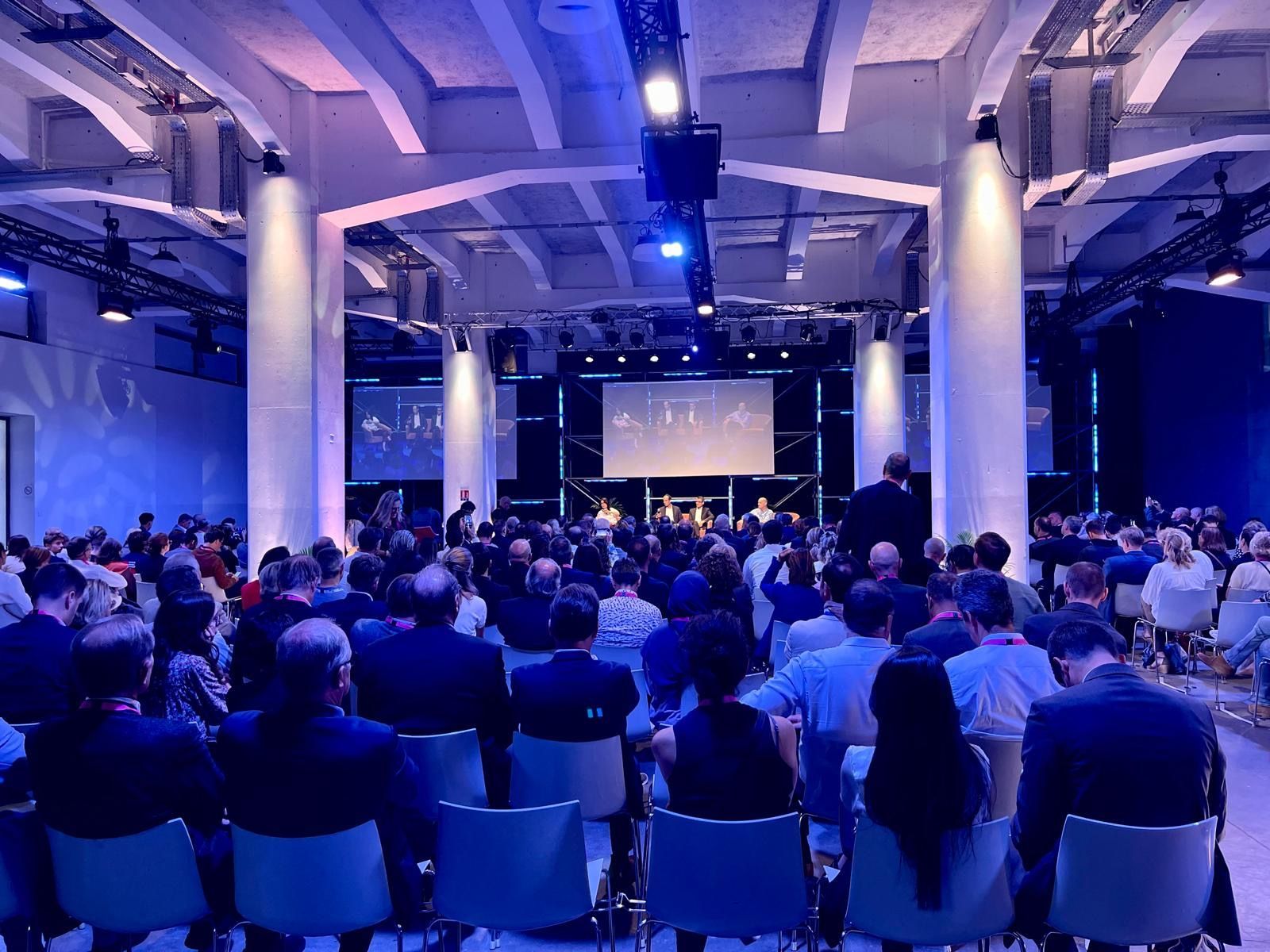
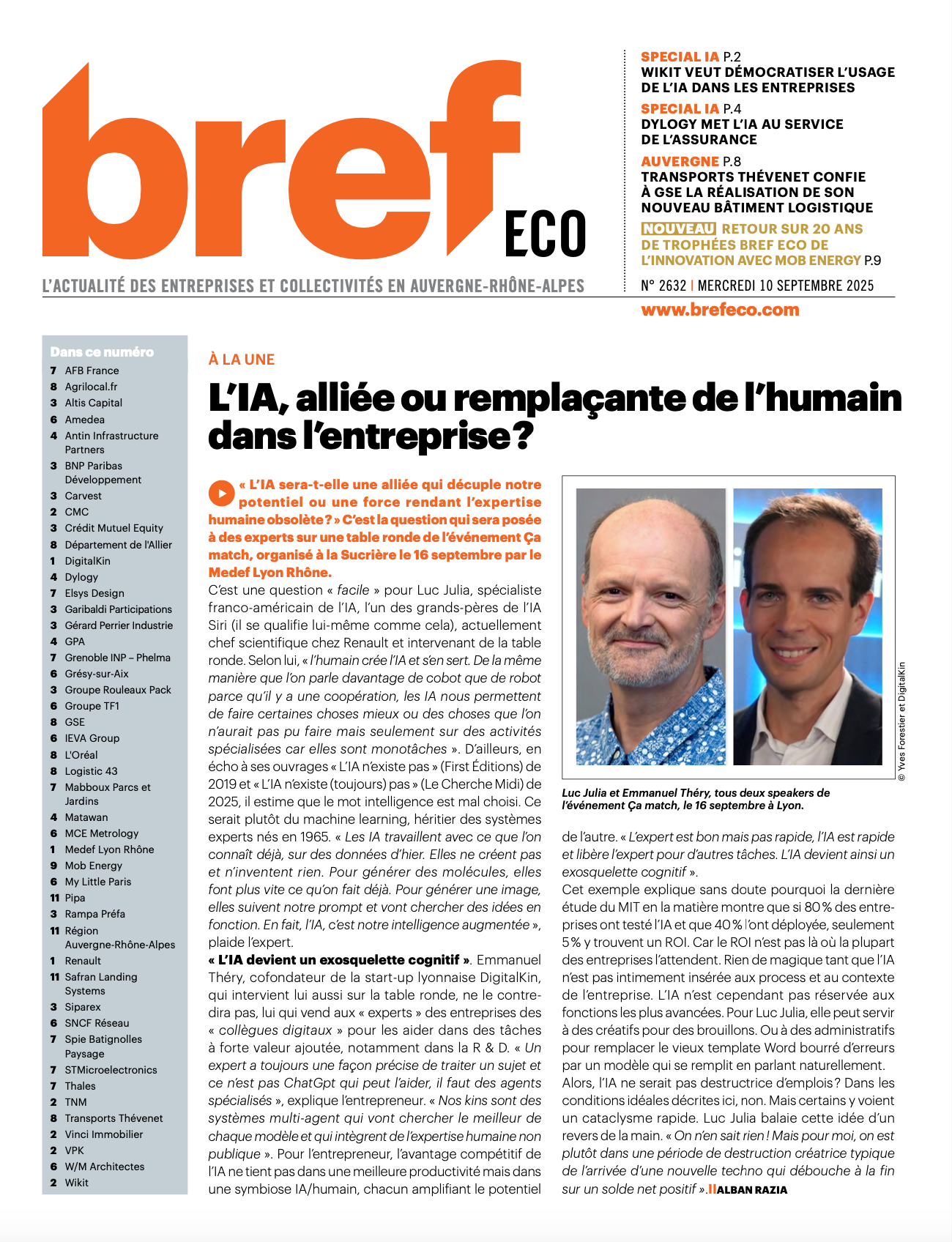
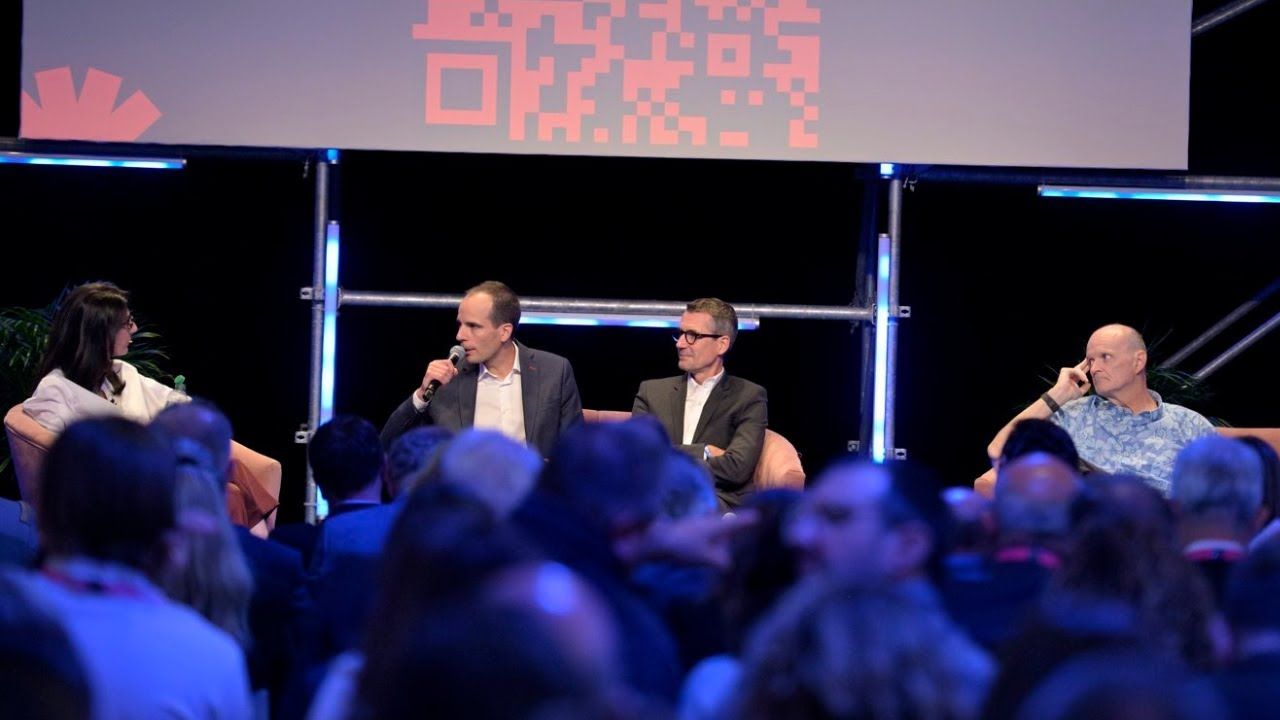
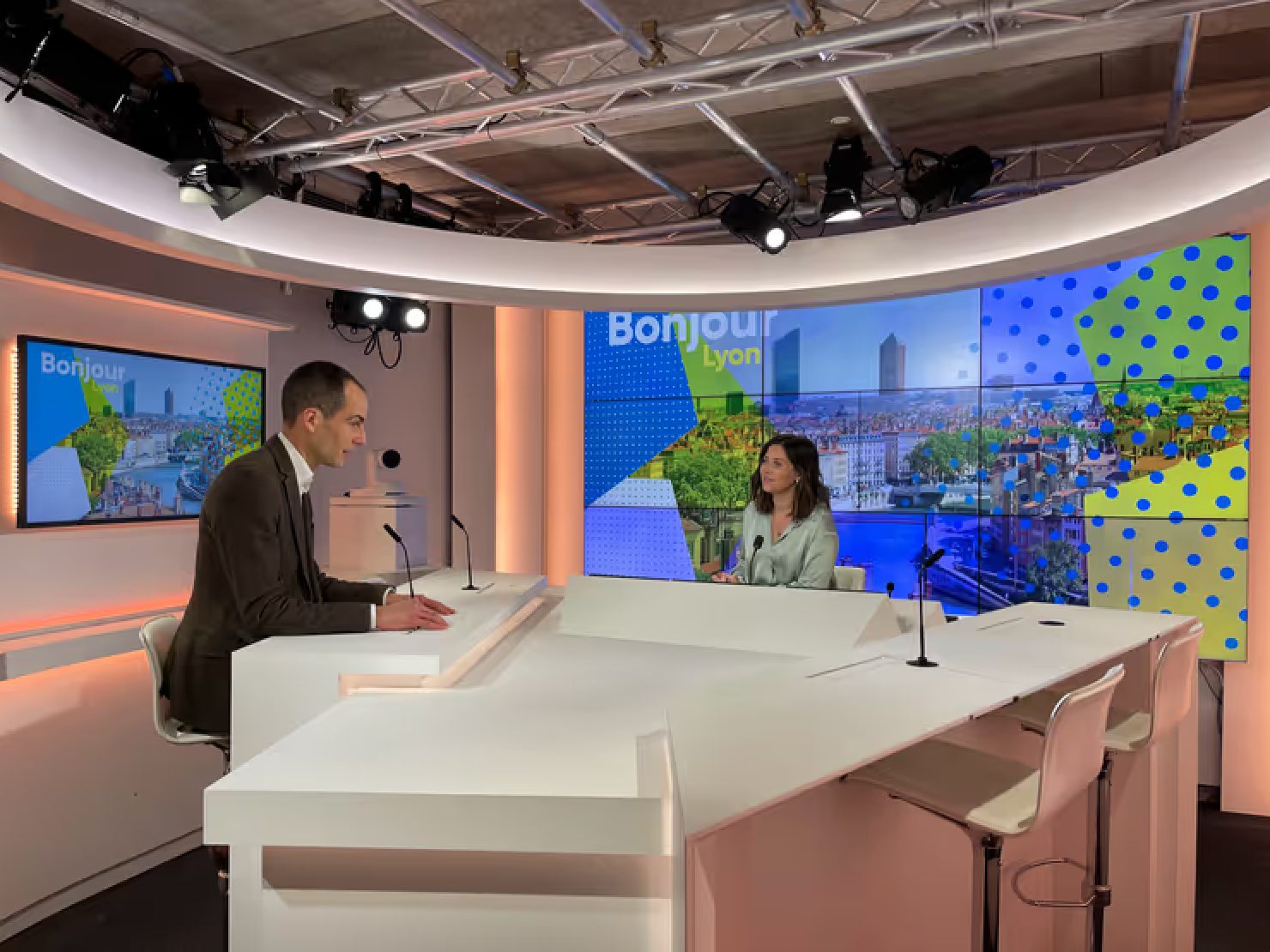
Will AI multiply our potential or make human expertise obsolete? That was the question at "Ça Match," a roundtable hosted by Medef Lyon Rhône at La Sucrière on September 16, 2025.
On stage: Luc Julia, Franco-American AI specialist widely regarded as one of the grandfathers of Siri, now Chief Scientist at Renault. And Emmanuel Théry, cofounder of DigitalKin, the Lyon-based startup building autonomous AI agents for high-stakes professional work.
"AI is our augmented intelligence"
For Luc Julia, the answer is clear: humans create AI and use it. Not the other way around. He sees cooperation, not competition. AI helps us do certain things better, or do things we simply couldn't do before. But it remains specialized, task-focused, and fundamentally dependent on human direction.
"AIs work with what we already know, on existing data. They don't invent anything. They follow our prompts and go searching for ideas that already exist. AI is, in fact, our augmented intelligence," Julia explained.
"AI becomes a cognitive exoskeleton"
Emmanuel Théry agreed, and pushed the idea further. DigitalKin builds what he calls "digital colleagues" for expert professionals, particularly in R&D. These are not generic chatbots. They are specialized multi-agent systems that integrate each expert's specific methodology, knowledge that is not publicly available.
"An expert always has a precise way of handling a subject. It's not ChatGPT that can help, you need specialized agents," Théry said. "Our Kins are multi-agent systems that seek the best of each model and integrate human expertise that isn't public. The expert is fast but limited by time. AI is fast and frees the expert for other tasks. AI becomes a cognitive exoskeleton."
The ROI problem, and why most companies get it wrong
Both speakers addressed a striking reality: while 80% of companies have tested AI and 40% have deployed it, only 5% report a clear return on investment, according to a recent MIT study. The reason, they argued, is not that AI doesn't work. It's that most deployments are not deeply integrated into the company's actual processes and context.
The competitive advantage of AI doesn't lie in raw productivity gains. It lies in a true symbiosis between AI and human expertise, where each amplifies the other's potential.
Creative destruction, not job destruction
As for the fear that AI will destroy jobs, Luc Julia was direct: "We don't know anything yet. But for me, we're in a typical period of creative destruction that comes with every major technology shift, and it ends with a net positive balance."